
When a loved one passes or begins downsizing, one of the first places families start sorting is the jewelry box. It feels simple, contained, and harmless — a small project you can “knock out” quickly while tackling the bigger emotional tasks ahead.
But here’s the truth most people don’t realize:
Grandma’s jewelry box is one of the most commonly overlooked sources of hidden value in a home.
I’ve seen families donate or toss items that were worth hundreds — sometimes thousands — simply because they didn’t know what they were looking at. And I’ve seen the opposite too: boxes full of tangled costume jewelry that turned out to contain a few rare, collectible pieces worth far more than anyone expected.
If you’re cleaning out a jewelry box from a parent, grandparent, or older relative, take a breath. Slow down. And let’s walk through what you should know before you make any decisions.
Why Jewelry Boxes Are So Often Misunderstood
Most people assume the jewelry box is “just costume stuff.” After all, Grandma wore the same few pieces every day — the wedding ring, the watch, maybe a favorite necklace. Everything else must be cheap, right?
Not necessarily.
Older generations often tucked away gifts, inherited pieces, or items they bought decades ago when gold and silver were far more affordable. They also lived through eras where craftsmanship was different — heavier metals, real stones, and quality materials that today would cost a small fortune.
And here’s the big one:
Many valuable pieces don’t look valuable to the untrained eye.
A dull strand of pearls, a tarnished silver brooch, a broken gold chain — these can all be worth far more than you think.
Pearls: Fake Is Common, But Real Is Valuable
Pearls are one of the most misunderstood items in any jewelry box.
Yes, the majority of pearls you’ll find are imitation. But real pearls — especially older, high‑quality ones — can be worth a significant amount today.
Here’s what to look for:
- Weight: Real pearls feel heavier than plastic or glass imitations.
- Texture: Lightly rub them against your teeth. Real pearls feel gritty; fake ones feel smooth.
- Shape: Real pearls are rarely perfect. Slight irregularities are normal.
- Knots: High‑quality pearl necklaces are usually knotted between each pearl.
Even if you’re unsure, don’t guess. A professional can tell you quickly whether you’re holding something special.
Gold: Even Broken Pieces Have Value
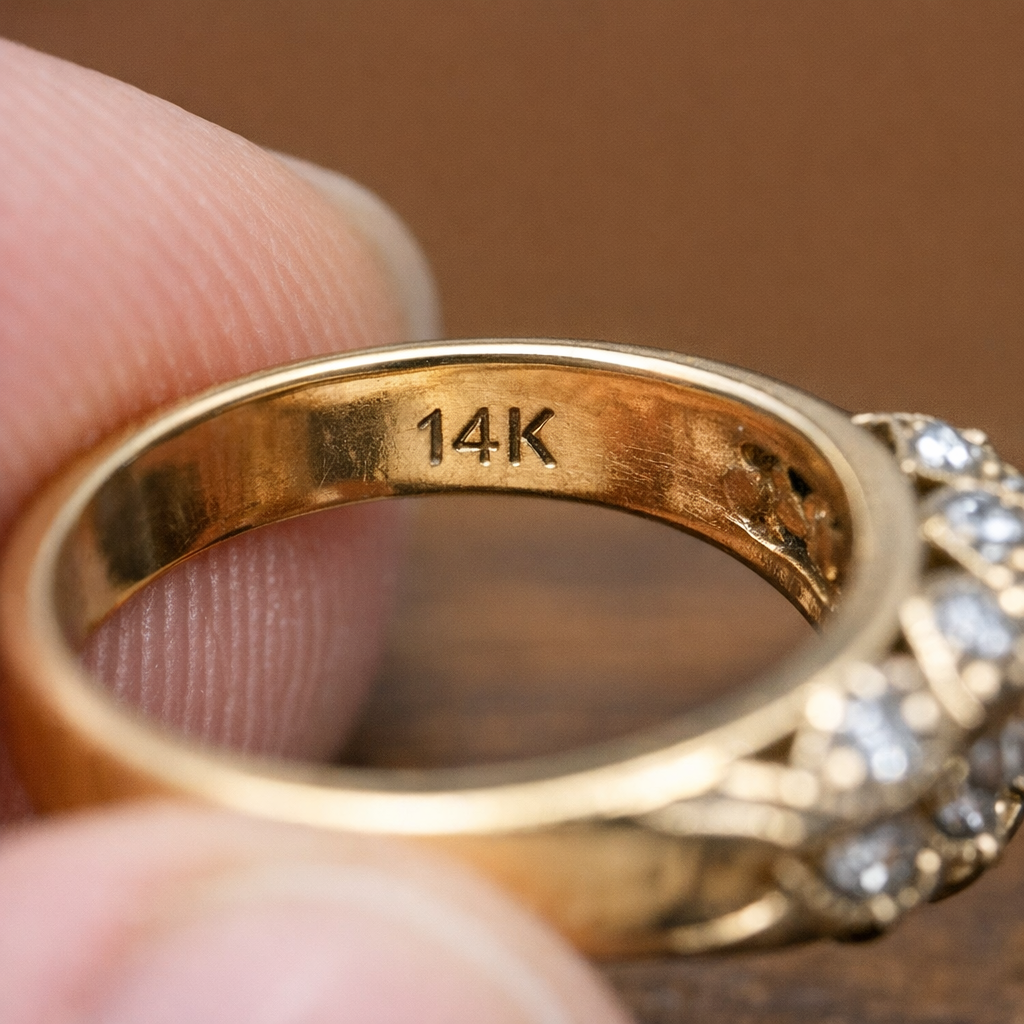
Gold is one of the easiest items to overlook because it doesn’t always look like gold. Older pieces may be tarnished, worn, or mixed with other metals. But gold is gold — and even small amounts can add up.
Look for markings such as:
- 10k
- 14k
- 18k
- 22k
- 585 (European marking for 14k)
- 750 (European marking for 18k)
If you don’t see a marking, don’t assume it’s worthless. Some older pieces were never stamped, and others have worn down over time.
And here’s something many people don’t know:
Broken gold still has value. A snapped chain, a single earring, a dented ring — precious metal buyers will still pay for the weight.
Just make sure you use a reputable buyer. Not all buyers are equal, and you want someone who tests pieces properly and pays fairly.
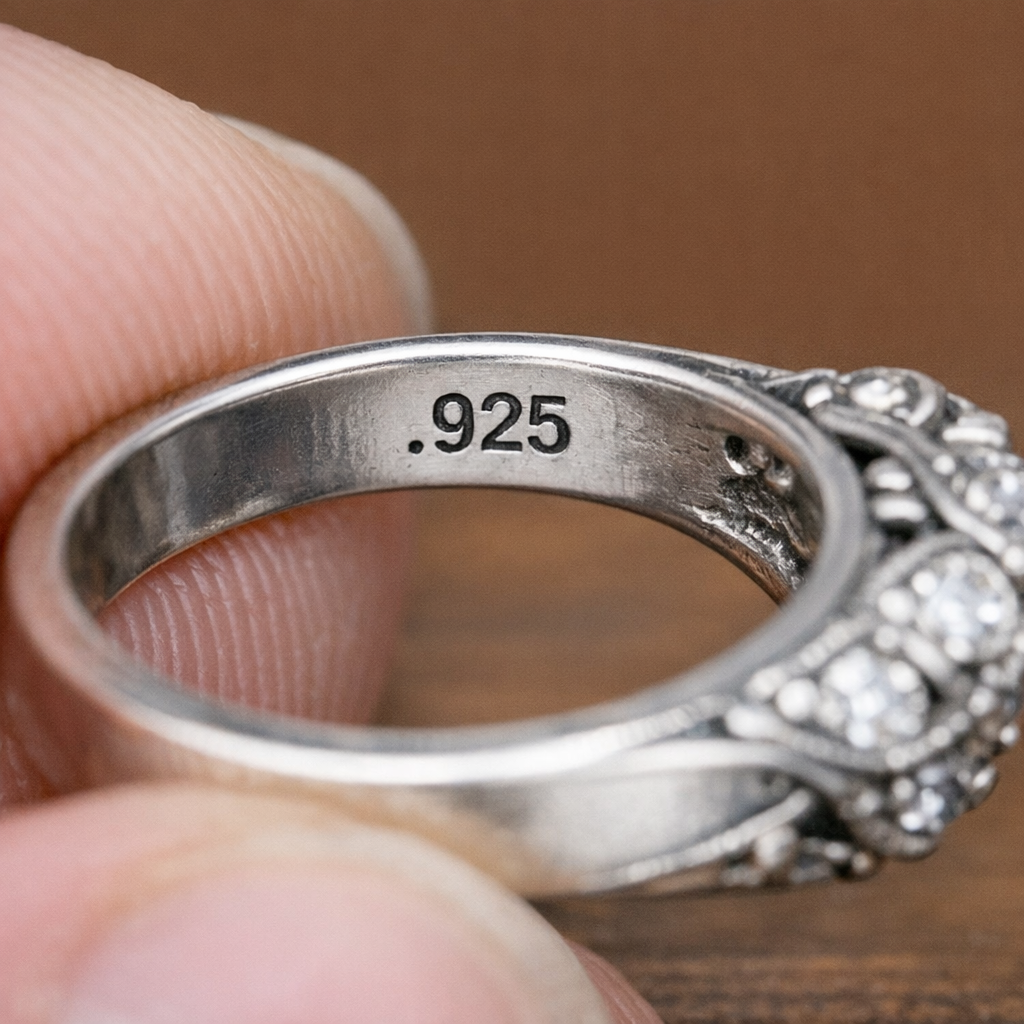
Sterling Silver: The Markings Matter
Sterling silver is another area where families often underestimate value. Many people think silver is “cheap,” but real sterling can bring in excellent money — especially if the piece is vintage or part of a collectible brand.
Look for markings such as:
- .925
- Sterling
- Ster.
- 800 (European silver)
If you see “silver‑plated,” “EPNS,” or “EP,” those are not sterling — but they may still have decorative or collectible value depending on the maker.
And don’t forget:
Tarnish does NOT mean low value. Silver naturally darkens over time. A quick polish can reveal a beautiful piece underneath.
Vintage Costume Jewelry: The Hidden Goldmine
This is where people are most surprised.
Costume jewelry — the colorful, sparkly, non‑precious pieces — can sometimes be worth more than the real gold sitting next to it.
Certain brands are highly collectible today, including:
- Weiss
- Trifari
- Eisenberg
- Juliana (D&E)
- Monet
- Coro
- Hobe
- Miriam Haskell
Collectors pay for craftsmanship, rarity, and condition. A brooch that Grandma bought for $12 in the 1950s might sell for $150 today — or more.
And here’s the kicker:
Some of the most valuable costume pieces look cheap. Plastic beads, rhinestones, or enamel pieces can be surprisingly desirable.
Watches, Brooches, and Odd Pieces: Don’t Toss Them
Old watches — even broken ones — can have value for collectors or for parts. Brands like Bulova, Hamilton, Elgin, Omega, and Waltham are especially worth checking.
Brooches, charms, pendants, and even mismatched earrings can also be valuable depending on age and maker.
If you find:
- Charm bracelets
- Lockets
- Cameos
- Military pins
- Religious medals
- Class rings
…set them aside. These items often carry both monetary and sentimental value.
Why Families Accidentally Throw Away Valuable Items
It’s not carelessness — it’s overwhelm.
When you’re sorting through a lifetime of belongings, you’re juggling:
- Grief
- Stress
- Deadlines
- Family opinions
- Physical exhaustion
- Emotional exhaustion
It’s easy to look at a tangled pile of jewelry and think, “This is all junk.”
But that quick decision can cost you.
I’ve seen families throw away:
- A real gold chain because it was broken
- A strand of genuine pearls because they looked dull
- A sterling silver brooch because it was tarnished
- A collectible costume piece because it “looked cheap”
- A vintage watch because it didn’t work
These mistakes are common — and preventable.
How to Sort a Jewelry Box the Right Way
Here’s a simple, stress‑free process:
1. Separate everything into categories
- Gold‑colored
- Silver‑colored
- Pearls
- Watches
- Costume jewelry
- Odd or unknown items
2. Look for markings
Use a magnifying glass if needed.
3. Don’t clean anything yet
Cleaning can damage certain pieces or reduce value.
4. Photograph everything
This helps if you need a second opinion.
5. Have a professional look at it
A reputable estate sale company or jewelry appraiser can identify value quickly.
6. Don’t rush
There is no prize for finishing fast — but there is a cost for throwing away something valuable.
Why This Matters for Families in Florida
Here in Florida — especially in Pasco, Pinellas, Hernando, and the greater Tampa Bay area — many families are dealing with:
- Downsizing
- Senior transitions
- Inherited homes
- Parents moving into assisted living
- Estates that need to be settled quickly
Jewelry boxes are often one of the first things people try to “get out of the way.”
But this is exactly where hidden value tends to be.
And when you’re preparing for an estate sale, every piece matters. The more value you identify upfront, the more you can put toward:
- Medical expenses
- Moving costs
- Assisted living
- Funeral expenses
- Family needs
Or simply honoring your loved one’s legacy by making sure nothing meaningful is lost.
When You Need Help, You Don’t Have to Do It Alone
Sorting through a loved one’s belongings is emotional. It’s heavy. And it’s easy to second‑guess yourself.
That’s why having someone experienced — someone who has seen thousands of estates, thousands of jewelry boxes, and thousands of hidden treasures — can make all the difference.
I help families throughout Florida handle these situations with:
- Respect
- Patience
- Sensitivity
- Professional guidance
- Zero judgment
Whether you’re overwhelmed, unsure, or just want a second set of eyes, I’m here to make the process easier and protect you from costly mistakes.
Before you toss anything… before you donate anything… before you assume it’s all “junk”…
Let someone knowledgeable take a look.
Grandma’s jewelry box might hold more value — and more memories — than you realize.
If you need help sorting, identifying, or preparing for an estate sale, I’m here to support you every step of the way.